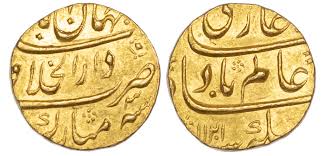
Mughal Empire Coins: The Golden Era of Islamic Numismatics
Explore the magnificent coinage of the Mughal Empire, from Babur's early issues to Aurangzeb's late period. Discover how these silver rupees and gold mohurs tell the story of one of history's greatest Islamic empires.
The Mughal Empire (1526-1857) produced some of the most beautiful and historically significant coins in South Asian numismatics. These coins not only served as currency but also as powerful propaganda tools for the emperors.
Early Mughal Coinage (1526-1556)
Babur, the founder of the Mughal Empire, introduced the first Mughal coins based on the existing Delhi Sultanate designs. His son Humayun continued this tradition but faced challenges that led to his temporary exile.
Akbar's Revolutionary Reforms (1556-1605)
Emperor Akbar revolutionized Mughal coinage by:
The Artistic Peak: Jahangir and Shah Jahan (1605-1658)
Jahangir introduced innovative features including:
Shah Jahan's coins are renowned for:
Aurangzeb's Orthodox Period (1658-1707)
Aurangzeb returned to more traditional Islamic designs:
Collecting Mughal Coins Today
Modern collectors value Mughal coins for:
Rare specimens like Jahangir's zodiac mohurs can fetch thousands of dollars at auction, while common silver rupees remain accessible to beginning collectors.
Share this article
Help others discover the fascinating world of numismatics
Related Articles
How to Identify an Authentic Roman Denarius: A Collector’s Guide
Learn how to spot fake Roman coins. Discover expert techniques on weight, patina, and striking used by numismatists to authenticate an ancient Roman Denarius.
The Top 10 Most Valuable Mughal Coins and Their Current Market Worth
Explore the rarest gold and silver Mughal empire coins. See auction records, current market values, and what makes these Islamic antique coins so valuable.