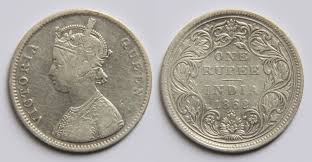
British India Coinage: The Transition to Modern Currency
From the East India Company to the Crown, trace the evolution of British coinage in India. Learn how these coins bridged ancient traditions and modern monetary systems.
The British period in India (1757-1947) represents a fascinating transition in South Asian numismatics, blending Western monetary systems with local traditions.
East India Company Period (1757-1858)
The East India Company issued coins in three presidencies:
Key characteristics:
The Crown Takes Over (1858-1901)
After the 1857 rebellion, the British Crown took direct control:
Notable series:
Edward VII and George V Era (1901-1936)
Modernization continued with:
George VI and Pre-Independence (1936-1947)
The final British period saw:
Collecting British India Coins
Popular collecting areas include:
Investment Potential
British India coins offer:
These coins represent an important bridge between traditional Islamic coinage and modern Indian currency systems.
Share this article
Help others discover the fascinating world of numismatics
Related Articles
How to Identify an Authentic Roman Denarius: A Collector’s Guide
Learn how to spot fake Roman coins. Discover expert techniques on weight, patina, and striking used by numismatists to authenticate an ancient Roman Denarius.
The Top 10 Most Valuable Mughal Coins and Their Current Market Worth
Explore the rarest gold and silver Mughal empire coins. See auction records, current market values, and what makes these Islamic antique coins so valuable.